STORIES · STORY 15
The woman who can't forget
Give Jill Price any date since she was fourteen, and she can tell you what she did that day — and what day of the week it was. For her, it begins on one specific morning: "Starting on February 5th, 1980, I remember everything. That was a Tuesday." From that day forward, every day of her life stayed — in order, in detail, whether she wanted it to or not. Jill Price was the first person ever documented with a memory that cannot forget.
These stories are cases with footnotes. Each one begins with the wonder — the person, the moment that does not fit — then slows down and separates what was actually documented from what is still argued about, and marks where interpretation — including this project's own lens — takes over from data. Every story here first appeared as a short video in this project's reels; these pages are the fuller telling, at reading pace.
EVIDENCE REVIEW
OCTOBER 28, 2026
Five years of testing, one diary at a time
In 2000, Price wrote to researchers at the University of California, Irvine — not to show off, but asking for help. They took her seriously, and then they tested her: for five years, they checked her recollections against the detailed diaries she had kept since childhood. She was right, again and again. In 2006, the team published her case in the journal Neurocase under the initials AJ — her identity protected — and gave the condition its name: hyperthymesia.
Hers was the first case ever documented. In the years since, only a few dozen cases like it have been confirmed anywhere in the world.
The question it raises
Here is the strange part. Price's memory is perfect only for her own life. Outside it, she tested unremarkable: in school she struggled like anyone else, and given a list of words to memorize, she is ordinary. The flood is autobiographical — her days, her people, her griefs — and nothing else arrives with it.
And she does not call it a gift. She calls it a burden: "non-stop, uncontrollable, and totally exhausting." She has described it as a split screen — the present in front of her, the past playing beside it, every grief as fresh as the day it happened. This project's lens stays with the question her case leaves behind. We assume forgetting is a failure of the brain. Jill Price suggests it may be a mercy: the filter letting most of life go, so we can live in what remains. What is a self, if nothing is ever let go?
Watch the story
This story first appeared as a short video in this project's reels. Watch the reel on YouTube
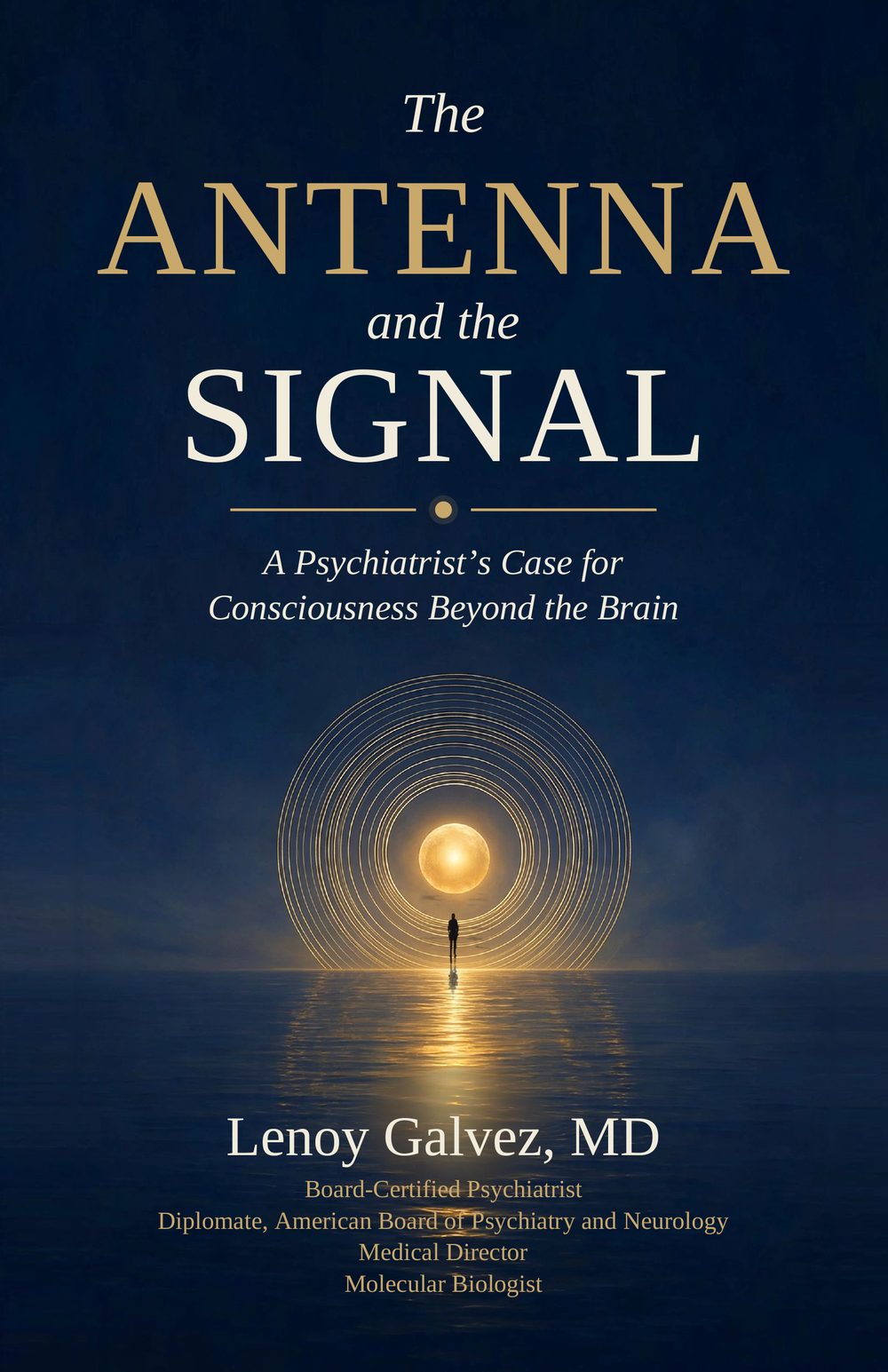
Stories like this one run through The Antenna and the Signal, this project's book. About the book