STORIES · STORY 12
She forgot everyone — until the night before she died
For three years, dementia had taken her mind. She didn't recognize her own children. Then, the night before she died, she sat up in bed. Called each of them by name. Spoke in full sentences. Told them she loved them. By morning, she was gone.
These stories are cases with footnotes. Each one begins with the wonder — the person, the moment that does not fit — then slows down and separates what was actually documented from what is still argued about, and marks where interpretation — including this project's own lens — takes over from data. Every story here first appeared as a short video in this project's reels; these pages are the fuller telling, at reading pace.
EVIDENCE REVIEW
OCTOBER 27, 2026
A documented pattern, not a single story
Her night is one family's telling of a pattern medicine has recorded for two centuries and is only now learning to study: terminal lucidity, the unexpected return of clarity — recognition, coherent speech, sometimes a real conversation — in the last days or hours of life, in people whose brains were believed to have lost those capacities for good. It appears most strikingly in advanced dementia, and also with brain tumors, strokes, and chronic mental illness. In 2018, the US National Institute on Aging convened a workshop that treated it as a genuine, unexplained problem deserving prospective study.
This project's guide library examines the research in full — the caregiver surveys, the case series, and the wall every explanation runs into. This page is the shorter telling, the one from the reel: a single night, a single family, and a goodbye nobody expected to get.
What it asks of us
For families, the point of the story is practical: a lucid hour near the end is a real, documented possibility — not a recovery, not a promise, but a gift that sometimes arrives. For the question this project asks, it is among the hardest cases on the table. A flickering, failing brain should produce fragments. Families describe a person — whole, continuous, recognizing everyone. The receiver model reads the scene as a filter failing in a way that briefly lets more through, not less. Neither reading is proven. The woman who came back to say goodbye is the fact; both theories are still trying to deserve her.
Watch the story
This story first appeared as a short video in this project's reels — find it among the project's Shorts. Watch the reels on YouTube
Read the full guide: terminal lucidity, explained
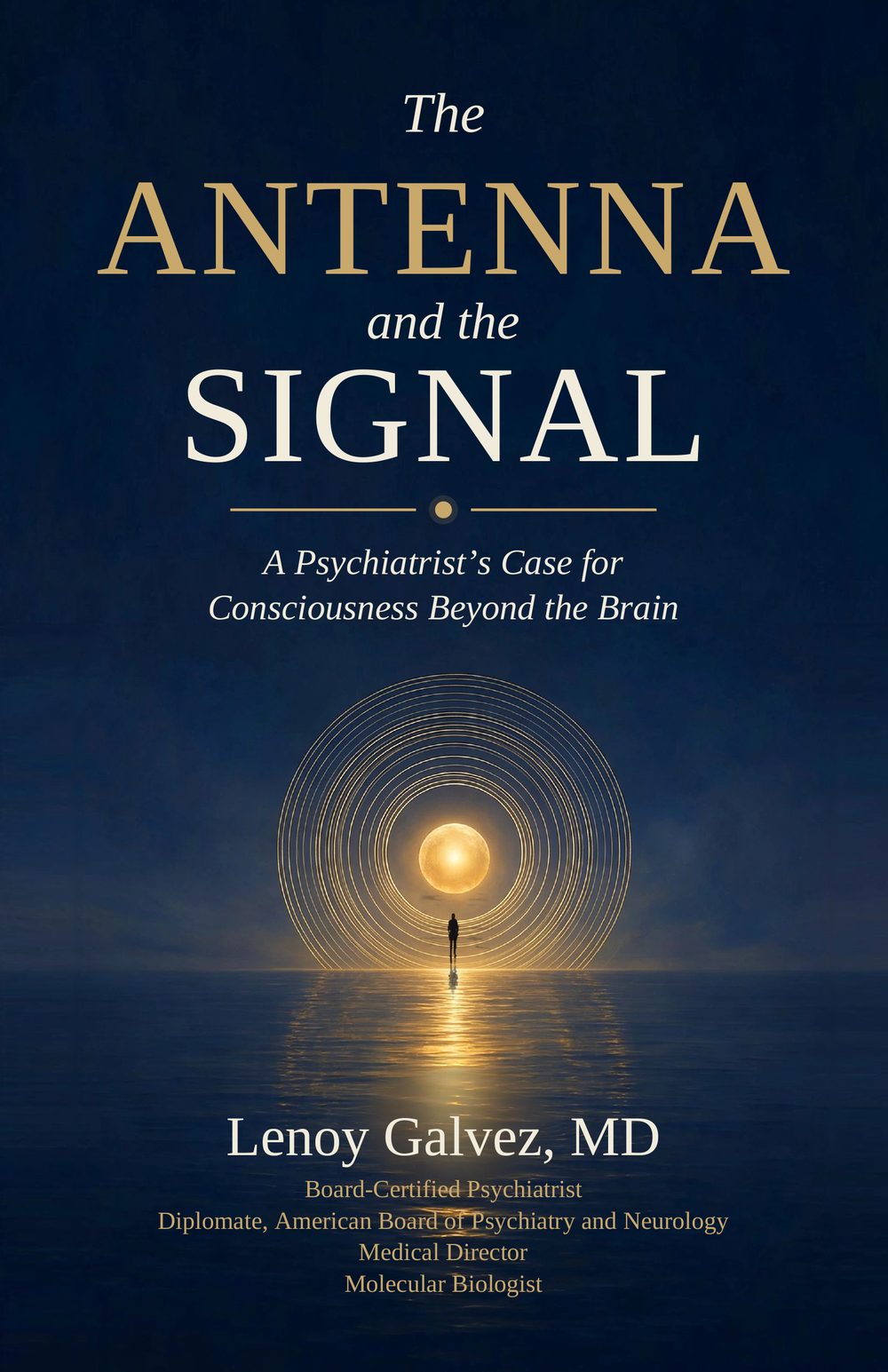
Stories like this one run through The Antenna and the Signal, this project's book. About the book